
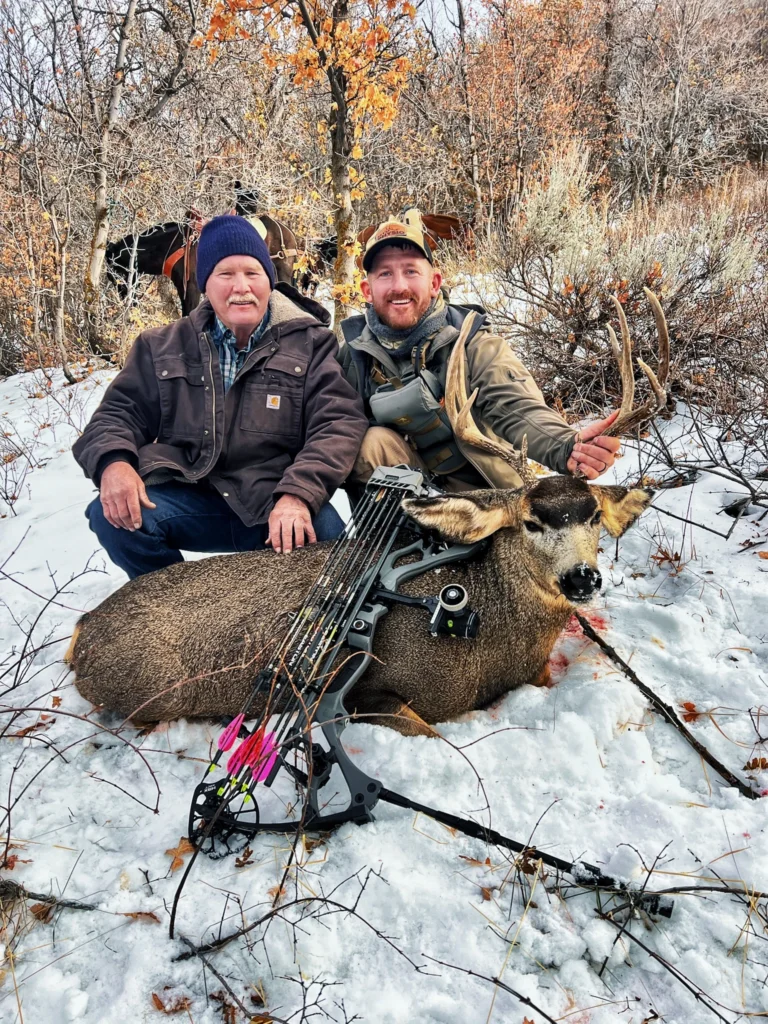
How to Reduce Injuries During Late-Season Cold Weather Hunts
Whether you’re planning to sit in a deer stand, chase ducks through snow and ice, or pursue a late-season elk with your bow in hand, proper preparation is critical for cold-weather hunting.
As a physical therapist, I see a lot of injuries. In sports medicine, there’s a consistent trend across nearly every sport: more than half of injuries occur later in the season or later in the game. Fatigue plays a major role in this pattern.
However, another factor significantly increases the risk of injury during late-season hunts:
Cold weather.
Snow and ice are inherently slippery, but cold temperatures also affect the body in ways many hunters overlook. Understanding a few key principles can help you reduce injury risk and enjoy a safer, more successful late season.
Start With the Right Gear
Cold-weather gear is essential for protecting yourself from the elements. Instead of focusing on specific brands, it’s more important to understand the principles behind effective gear selection.
If you plan to hike in snow or icy conditions, always prepare for emergencies.
Essential gear may include:
- Flashlight or headlamp
- Fire starter
- Knife or multi-tool
- Emergency shelter
- Water and food
- Quality sleeping bag
- Tent
- Stove or heat source
These items can make the difference between inconvenience and serious danger if conditions change unexpectedly.
Footwear and Traction Matter
Proper footwear is one of the most important parts of cold-weather safety.
If you’re hiking through snow or icy terrain, consider using:
- Insulated boots with aggressive lug soles
- Wool socks
- Trekking poles for stability
- Traction spikes for icy surfaces
When hiking in cold weather, I always carry an extra pair of socks in my pack.
This allows me to:
- Replace wet socks from sweat or snow
- Add an extra layer if temperatures drop
- Maintain warmth and comfort throughout the day
Wool is an excellent material because it:
- Wicks moisture
- Retains warmth even when damp
- Dries faster than many synthetic fabrics
Build an Effective Layering System
When most people think about winter layers, they might picture the famous scene from the 1980s movie A Christmas Story where Randy can barely move in his snowsuit.
But effective layering is about flexibility and temperature control, not bulk.
A good layering system allows you to adapt as conditions change.
For example:
- A wool base layer helps regulate body temperature and manage moisture.
- Insulated layers, like down vests or pants, can be added while glassing or sitting still.
- Layers can be removed quickly when hiking or climbing to prevent overheating.
The goal is to stay warm without trapping sweat, which can quickly lead to chilling once activity stops.
Why Cold Weather Increases Injury Risk
While gear is important, the primary focus should always be injury prevention.
Cold temperatures affect the body in several ways:
- Muscles become stiff
- Blood flow decreases
- Flexibility is reduced
- Reaction time slows
- Muscles become more prone to strains
This combination creates a perfect storm for injury.
Fortunately, there’s a simple solution:
Warm up before you hunt.
Warm Up Before You Head Out
Most athletes warm up before competing, and hunters should do the same.
A short warm-up routine helps:
- Increase blood flow
- Improve flexibility
- Activate key muscles
- Reduce injury risk
Before heading out to your stand, duck blind, or mountain trail, spend 10 to 15 minutes performing simple exercises and stretches.
This prepares your muscles for activity and reduces the chance of strains or joint injuries.
A Simple Pre-Hunt Warm-Up Routine
Here’s an easy routine you can do each morning before heading into the field.
1. Squats to Overhead Press
Perform 20 repetitions of a full-body movement combining squats with an overhead reach.
2. Push-Ups
Complete 20 push-ups, or perform push-ups until fatigue.
3. Rotisserie Planks
Start in a standard plank position.
- Hold for 30–60 seconds
- Rotate to one side plank and hold for 30–60 seconds
- Rotate to the other side and hold for 30–60 seconds
4. Butterfly Stretch
Sit in a butterfly position with the soles of your feet together.
Gently press your knees toward the ground and hold for 30–60 seconds to stretch the hips and groin.
5. Resistance Band Bow Draws
Using an exercise band, simulate the motion of drawing a bow.
Perform 20 repetitions on each side.
6. Dynamic Movement
Finish with large, full-body movements such as:
- Running in place
- Burpees
- Jumping jacks
These movements elevate heart rate and further warm up the muscles.
The Benefits of a Pre-Hunt Warm-Up
Performing a warm-up routine like this regularly can:
- Improve blood circulation
- Increase flexibility
- Reduce muscle stiffness
- Lower the risk of injury
Additionally, a quick burst of morning exercise raises body temperature and increases serotonin levels, helping you feel more alert, energized, and ready for the day ahead.
Finish the Season Strong
Late-season hunts can be some of the most rewarding experiences of the year.
Whether you’re hiking into the mountains, sitting quietly in a deer stand, or waiting patiently in a duck blind, proper preparation makes all the difference.
Stay warm. Stay prepared. Take care of your body.
And most importantly, don’t let preventable injuries bench you during the final quarter of the season.
Good luck this season as you head into the field in search of that late-season trophy.